

The Dance Floor as Refuge
Raves were never just about music, they were about making space to be

I’ve never been much of an “outside” person. For years, I mostly stayed indoors, watching things unfold through the safety of my screen, forming my view of culture through the internet’s lens. But this year felt different.
As I’ve grown, both personally and in my work as an editor, I’ve realized the importance of being in the room, meeting people, feeling the energy, and understanding culture beyond what algorithms can show. I told myself I’d start showing up more: at exhibitions, pop-ups, panels, and other kinds of events that move the city. Raves were one of them.

At first, it was curiosity, and in a way, continuity. Last December, we worked on a Photobook documenting the “Detty December” culture, which was my first real introduction to the Lagos rave scene. That project put me right in the middle of it, documenting energy, chaos, and creativity up close. But I was there mostly for work, behind the camera, watching everything through the lens.
So at the start of this year, I made a quiet decision to go again, but this time for myself. To experience these moments beyond documentation, to actually feel them. Events like Dirty Sexy Rave, Monochroma, and Group Therapy were some of the spaces I found myself in. Each one, different in its own way, but all carrying the same pulse: that sense of freedom, that collective exhale.
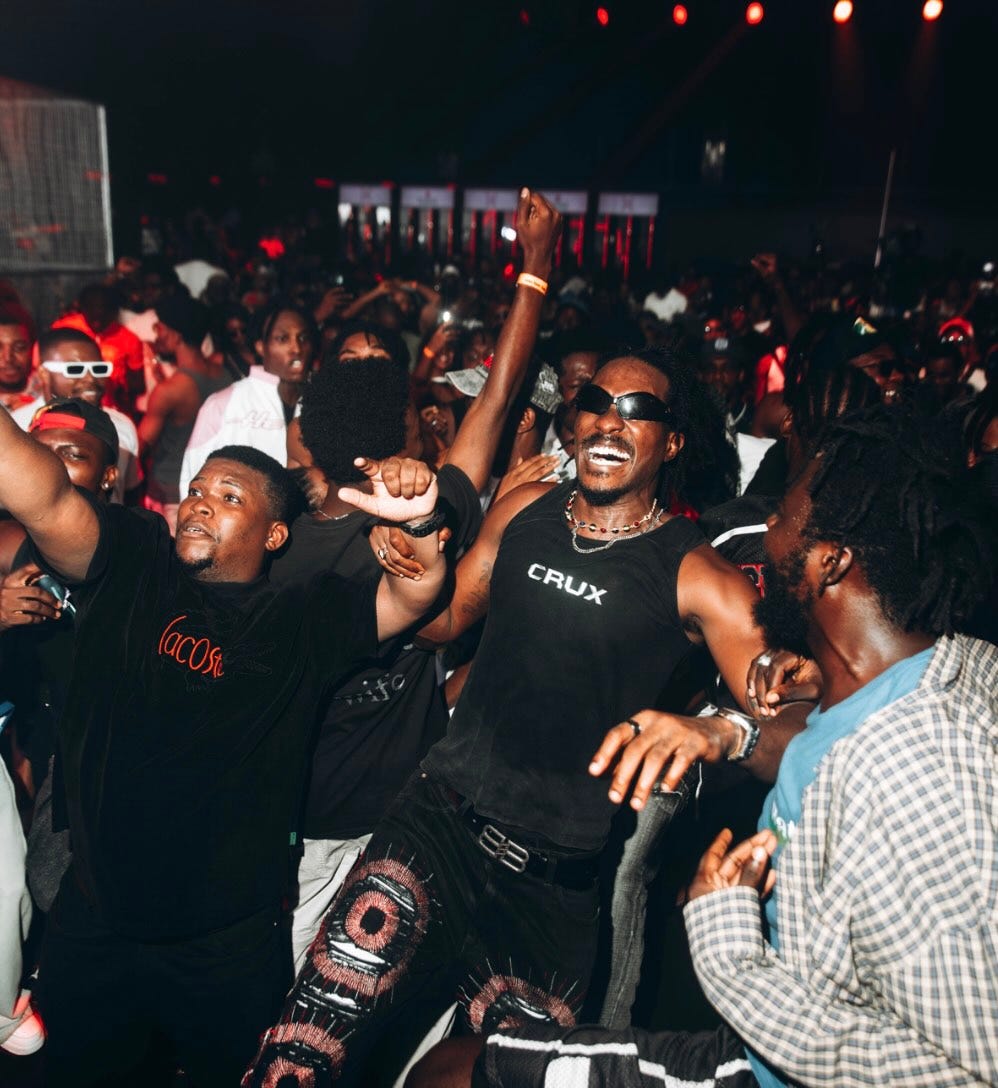
What I found wasn’t just a party. It was something else. Something raw, vulnerable, almost sacred. There was this energy that was soft, electric, and honest. For a few hours, I watched people be fully themselves. Especially the queer community. In a country like Nigeria, where being queer can still put you at risk, legally, socially, and culturally, that kind of freedom feels like rebellion.
You could see it in the way people dressed, danced, and touched. You could feel it in the air, this shared understanding that here, they could breathe. Even I, someone who hardly ever moves a muscle when I’m outside, found myself dancing, carefree, if only for a moment. Still slightly reserved, yes, but present. For someone who isn’t used to those spaces, I could feel myself tapping into the same collective spirit of freedom. It was infectious.
Months later, now deep into the year, I came across a carousel on Instagram tracing the origin of rave culture: the Black and queer communities of 1980s Detroit who built underground parties because the world outside wasn’t safe. One line stood out:
Raves exist because Black and queer people needed them. Never forget that.
It made me pause. Because what I saw in Lagos months ago wasn’t so different. Different time, different country, same need.
In Detroit, queer collectives built their own sanctuaries in abandoned warehouses, creating spaces free from judgment and discrimination. Techno was born there, shaped by Black artists like Juan Atkins, Derrick May, and Kevin Saunderson, musicians inspired by the city’s gay after-hours clubs and the DJs who turned pain into rhythm. Those dance floors were more than nightlife. They were lifelines.
Maybe that’s what connects then to now. The idea that dance floors have always been a form of refuge. Whether in Detroit or Lagos, they are less about music and more about making space. Inside those rooms, boundaries dissolve. Everyone becomes a version of themselves they can’t always be outside. For the queer community here, it’s more than escape; it’s expression. A few hours of safety in a city that’s not built for them.
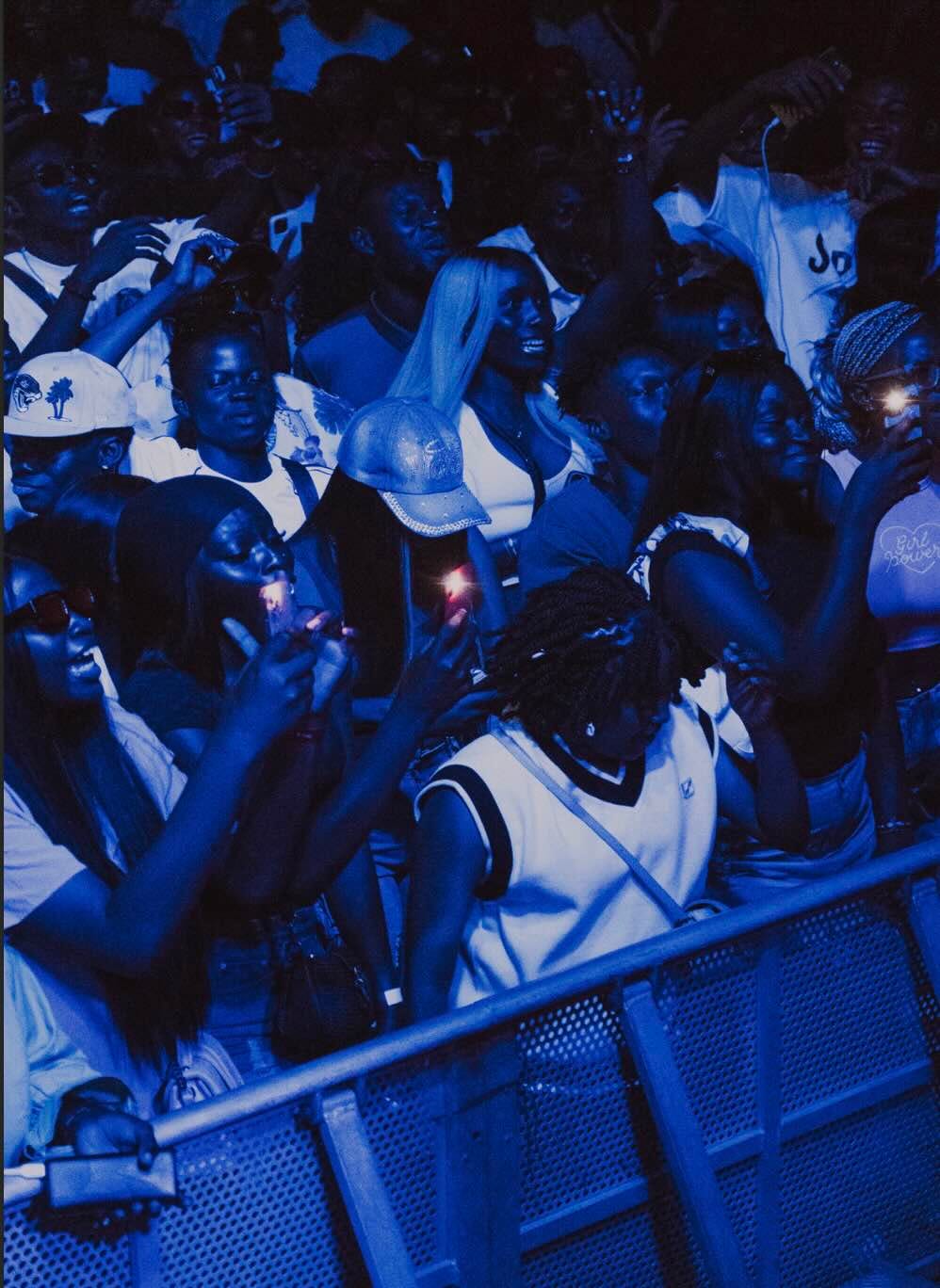
You can feel it, that unspoken awareness that this isn’t ordinary, that this might not last, that this small circle of acceptance exists in tension with the rest of society. Yet, it’s happening anyway. That’s what makes it beautiful.
The more I think about it, the more I realize that raves, and maybe creativity itself, have always existed where safety didn’t. They’ve always been how marginalized people carve out joy. How they turn survival into sound. So maybe raves aren’t just about dancing or escape. Maybe they’re about returning to the self, about finding the version of you that’s been waiting to breathe.
Maybe, in a place like Lagos, that’s the real revolution.