

The Exposure Paradox: Why Working for Free Costs Everything
Why does exposure still replace payment?

“I did free work for three years before I got my break,” the successful creative says at the panel, their designer bag resting casually against the podium. In the audience, a recent graduate is doing a different kind of calculation. Rent is due. Their landlord is texting. There is no money in sight. Yet, they quietly estimate how many months of “investing in myself” they can survive before eviction becomes real.
You see this scenario I just painted, this uncomfortable disconnect, is the exposure economy in a single frame.
This piece may not sit well with everyone, but it is my take. The people who can afford to work for free are the only ones telling you it builds character.
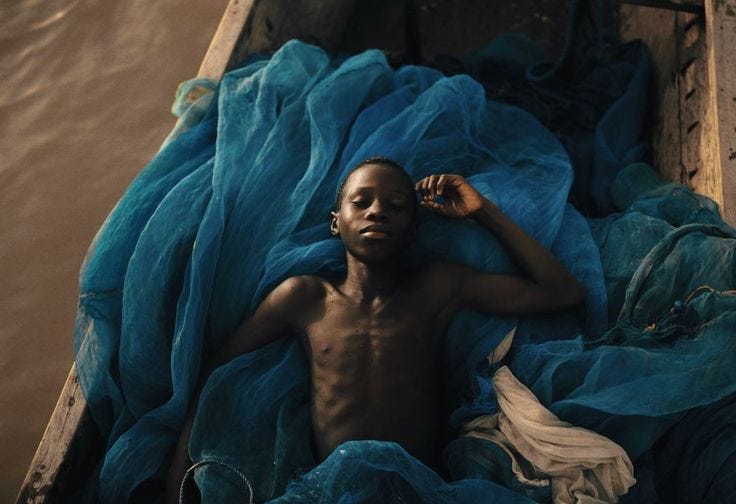
The Rich Kid’s Internship vs. the Poor Kid’s Prison
We are constantly told that everyone starts at the bottom, that paying your dues is a rite of passage, and that exposure must come before money. It is framed as the great equaliser, the shared struggle that separates the serious from the dilettantes (a person who cultivates an area of interest, without real commitment or knowledge).
And to be fair, unpaid work can sometimes be strategic. Yes, it can build skills, create relationships, and open doors. The problem is not that free work exists; the problem is that it does not cost everyone the same.
When someone with financial backing works for free, they are networking. When someone with rent due in five days works for free, they are drowning. We use the same word, “exposure,” as though the outcome could be identical.
Those who made it through with the right support systems are often the most passionate advocates for unpaid work. They speak about the internship that changed their lives, sometimes forgetting the safety net that made “investing in yourself” an option rather than a risk to survival. Their advice is not necessarily wrong. It worked for them, which is precisely why they believe it will work for everyone.
Meanwhile, the creative who calls out not being paid is described as impatient, not hungry enough, or not committed enough. The sacrifice required is almost always financial, and rarely from the people requesting it.
The Slow Disappearance of Knowing Your Worth
So let us say you take the opportunity anyway. You are talented enough, hopeful enough, and perhaps pressured enough to believe this unpaid project will be the turning point.
Over time, repeatedly saying yes to free work begins to change something internally. You forget what no feels like. You begin to lose clarity on what your work is worth because you have trained yourself to accept nothing, and eventually, nothing starts to feel normal.
Consistent unpaid labor can quietly distort your sense of value. When you finally receive a paid offer, you struggle to determine what to charge. After years of being grateful for visibility, asking for proper compensation can feel excessive. The exposure economy not only extracts your labour, but it can also weaken your confidence in pricing that labour.
You can recover from doing free work once or twice, but soon enough, it becomes harder to recover when you internalise the belief that your contribution should always come at a discount.
There are creatives with impeccable portfolios who struggle to request industry rates because they spent years contributing without pay. When compensation finally arrives, it feels unfamiliar, almost undeserved. That cognitive dissonance is real.
Over time, lowered expectations become your baseline. And trust me, clients and platforms often recognise this hesitation. They understand when someone has been conditioned to accept less.
The Exposure Loop: When Does It Convert?
Now, here’s a math everyone’s too polite to discuss. If you work for exposure instead of payment, how long before it converts to actual money? Six months? A year? Five years?
There is no guaranteed timeline because exposure does not function like a salary structure. It occasionally produces visible success stories, which reinforces the belief that it works universally. What we rarely see are the many creatives who worked for free and quietly disappeared because exposure does not pay bills.
People may see your work, admire it, share it, and tag you. Visibility feels validating. However, visibility is not compensation. In some cases, the more your work circulates without payment, the more audiences come to expect that access for free.
Several platforms have built profitable systems on creative labour that is not always directly compensated. Unpaid articles, unmonetized videos, and viral designs all generate value. Revenue is created somewhere in the chain. It is simply not guaranteed to reach the creator.
Exposure can work, it just does not always work for the person creating the value.
The Character-Building Myth
Another argument often presented is that an unpaid struggle builds character and proves seriousness. Discomfort can certainly teach resilience, and growth often involves sacrifice. That is true.
What is less discussed is that prolonged financial instability does not romanticise well in reality. It produces anxiety, burnout, and chronic stress. It narrows your choices and shifts your focus from artistic development to survival.
Many creatives who succeeded after periods of unpaid work did so because they were often supported in ways that softened the impact. That context matters.
There is a cultural tendency to glorify suffering because it is convenient for those who benefit from unpaid labor. If exploitation is reframed as development, compensation becomes optional.
Slowly, something shifts. The person who once had a clear sense of worth becomes someone who feels uncomfortable sending an invoice.
Breaking the Loop
So what’s the alternative? How do you navigate an industry built on free labor expectations when you don’t have a safety net?
First off, not all exposure is useless, but not all exposure is equal. The key is understanding the trade-offs and deciding consciously rather than reactively.
Be honest about what you can afford to give. If you have the financial stability to take on strategic unpaid work, that is a choice. If it threatens your basic stability, the priority must be survival. Stability sustains creativity far more effectively than desperation.
Separate your worth from your willingness to suffer. The value of your work exists independent of whether someone is currently paying for it. Payment acknowledges value; it does not create it.
When you begin charging, charge in alignment with your skill, experience, and market standards. You may lose certain opportunities. Some of those opportunities were never going to respect your value in the first place.
The exposure economy continues because creatives continue to participate in it without boundaries. It thrives on the belief that visibility is currency and that being seen automatically equals being valued.
Dear Creative, your work has value long before going viral or gaining traction. Exposure was never meant to replace payment; at best, it was meant to complement it.